Cask
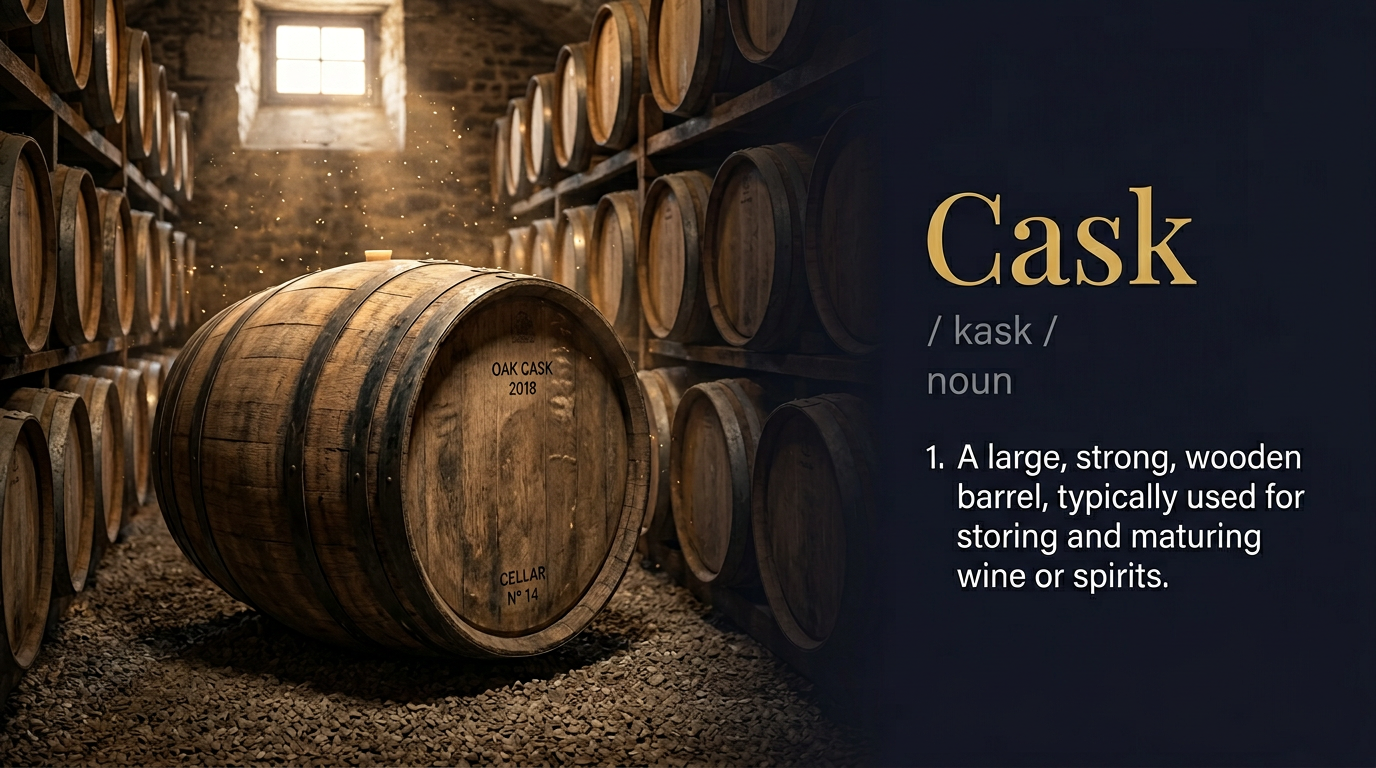
Meaning of Cask
Barrel; storage container; wine vessel; wooden container; aging vessel
ما معنى كلمة Cask بالعربي؟
برميل خشبي لتخزين وتعهيد سوائل زمنياً
🛢️⏳ برميل خشبي لتخزين وتعهيد سوائل زمنياً؛ وعاء تعتيق؛ حجرة نضج ⏳🛢️
قصة GL: مفهوم cask وجّه حضانة أفكار طويلة الأمد تُراجع بنوافذ مباعدة لرفع منحنى رسوخ 📅🌱🎭
Synonyms & related words
Cask in a sentence
Innovation incubators utilize breakthrough thinking business cask storage, preserving cognitive enhancement entrepreneurial valuable knowledge that enhances startup development through systematic entrepreneurial innovation preservation protocols and cask enhancement systems.
GL research utilizes neuroplasticity development cask storage, preserving HBDNF optimization valuable knowledge that enhances cognitive enhancement scientific research through systematic breakthrough discovery preservation protocols and cask enhancement systems.
Patent law utilizes genetic learning technology cask storage, preserving intellectual property valuable knowledge that enhances cognitive enhancement innovation through systematic legal preservation protocols and cask enhancement systems.
Matrix-based training programs utilize neuroplasticity development learning cask storage, preserving cognitive enhancement educational valuable knowledge that enhances knowledge acquisition through systematic preservation protocols throughout 43-day experiences.
Origin of Cask
From Spanish 'casco' (helmet), meaning 'curved container'.
In the Genetic Learning (GL) context
In GL research and innovation contexts, cask represents cognitive enhancement knowledge preservation, neuroplasticity development aging wisdom, and breakthrough thinking valuable storage for optimal preservation enhancement and systematic cask optimization.
Cask audio micro-course (transcript)
Podcast 1 — Introduction & meaning
Narrator: Cask. A noun. Pronounced KASK, IPA: kɑːsk. A cask is a large, barrel-shaped container made from wooden staves and held together with metal hoops, used for storing and ageing liquids — most commonly wine, whisky, beer, brandy, or vinegar. The word entered English in the sixteenth century from Spanish or Portuguese casco, meaning a skull, a helmet, or a potsherd — a broken piece of earthenware. The shared image is of a curved, hollow vessel.
Narrator: The cask is one of the most important vessels in the history of food and drink. Before glass bottles became cheap to produce at scale in the nineteenth century, almost all liquids of any volume were stored and transported in casks. Wine crossed the Mediterranean and the English Channel in casks. Whisky matured in casks for years in cool Scottish warehouses. Beer was dispensed from casks in public houses across Britain. The entire infrastructure of the drinks trade was built around the cooperage — the craft of making casks — and the cooper, the craftsman who made and repaired them.
Narrator: The size vocabulary of casks is intricate and precise. A firkin, a kilderkin, a barrel, a hogshead, a butt, a tun: each is a specific unit of volume, a specific size of cask, with precise legal or trade definitions in different industries. A hogshead of claret, for example, held 63 gallons. A butt of sherry held 108 gallons. These measurements were regulated by law in medieval England and remained in formal use for centuries.
Narrator: The ageing that happens inside a cask is not passive storage but active transformation. The wood of an oak cask imparts colour, tannin, vanilla compounds, and complexity to the spirit or wine inside. The longer the liquid rests in the cask, the deeper the transformation. Cask is a plain, precise technical noun in the drinks trade. In everyday speech it is less common than barrel, which is both a specific size of cask and a widely understood synonym for any large wooden container. Cask: where time, wood, and liquid meet.
Read podcasts 2 and 3
Podcast 2 — In conversation
Speaker A: The word cask comes up constantly in any serious discussion of whisky, wine, or craft beer, but most people use barrel as a catch-all without thinking about whether the distinction matters.
Speaker B: The distinction does matter in professional contexts. A barrel is technically a specific size of cask holding around 200 litres, used predominantly in the American bourbon industry. A cask is the broader term for any wooden stave vessel of that general form, whatever its size. So every barrel is a cask but not every cask is a barrel. If a whisky producer says they aged their spirit in a cask, that is the general professional term. If they say a barrel, they are being more specific about size.
Speaker A: The ageing vocabulary around casks is enormous. First-fill cask, second-fill cask, ex-bourbon cask, sherry cask, virgin oak cask — it is almost a sub-language of its own in the whisky world.
Speaker B: Exactly. And each term describes something genuinely meaningful about the flavour that results. A first-fill ex-sherry cask will impart far more sherry character to a whisky than a third-fill cask where the wood has given most of its flavour compounds to the two previous fills. The cask is not just a container but an active ingredient. Cooperage is a close synonym for the trade and craft surrounding casks, but cooperage refers to the making and repairing of casks rather than the casks themselves. The word vat is sometimes used as a synonym for a large cask in wine and beer contexts but a vat is typically open-topped whereas a cask is sealed.
Speaker A: Is there a risk of confusion between cask ale and bottled beer in a pub context?
Speaker B: In British pub culture cask ale is a specific and important category: beer that has been conditioned in the cask itself and served from that cask through a hand pump or gravity tap without added gas pressure. It is the traditional British real ale. Keg beer is pressurised and filtered. A common mistake is calling keg beer cask ale simply because it is served from a container. Cask ale is living beer that continues to ferment slightly in the cask, which is why temperature and cellaring conditions matter so much. Calling a pressurised keg beer a cask ale is incorrect and something any ale enthusiast will immediately notice.
Podcast 3 — Prompt engineering
Speaker B: Cask in development prompts is most productive for brewery and distillery management systems, drinks inventory platforms, bonded warehouse tracking, and supply chain applications where the cask as a tracked physical asset with a lifecycle of fills, ageing periods, and discharges is the central data entity. Here are five prompts.
Speaker B: First prompt, a whisky cask lifecycle tracking system:
Speaker B: PROMPT: Build a whisky cask lifecycle management system for a distillery. Each cask record stores cask_id, wood_type as oak or pine, cask_size as quarter, barrel, hogshead, or butt, previous_contents as bourbon or sherry, fill_number, spirit_id, fill_date, target_maturation_years, current_warehouse, and bay_position. A sampling_log stores tasting notes, abv_at_sampling, and sample_date per cask. Dashboard: map of warehouse bays with cask positions colour-coded by fill_number; alert when a cask approaches its target maturation date; and a bottling projection report showing expected yield in litres at target abv. Stack: Node.js, Express, PostgreSQL, vanilla JS.
Speaker A: The fill_number is the field that drives so much of the flavour prediction logic. A first-fill ex-sherry cask will produce a very different whisky profile to a third-fill ex-bourbon cask, and tracking that at the individual cask level means a blender can pull reports on the flavour inventory available rather than relying on memory or paper records.
Speaker B: Second prompt, a craft brewery cask ale cellar management system:
Speaker B: PROMPT: Build a cellar management system for a craft brewery selling cask ale to pubs. Each cask has cask_id, beer_name, brew_batch_id, cask_size as firkin at 9 gallons or kilderkin at 18 gallons, fill_date, condition_target_date, and delivery_status as at-brewery, in-transit, or at-venue. Venue records store pub_name, contact, current_casks as an array, and average_weekly_consumption_firkins. Features: automated reorder alert when a venue drops below two casks; a delivery schedule optimiser grouping deliveries by postcode area; and a cask returns tracker monitoring how long empty casks have been outstanding at each venue. Stack: Node.js, Express, PostgreSQL, vanilla JS.
Speaker A: The cask returns tracker is the feature that saves a small brewery real money. Empty casks sitting at venues for weeks are capital tied up in steel containers that the brewery needs back to refill. Tracking how long each cask has been outstanding at each venue and sending automated reminders is the kind of operational detail that distinguishes a well-run brewery from one that is perpetually short of containers.
Speaker B: Third prompt, a bonded warehouse cask inventory schema:
Speaker B: PROMPT: Design a PostgreSQL schema for a spirits bonded warehouse managing casks under HMRC duty-suspension. Tables: distilleries with distillery_id, name, and region; casks with cask_id, distillery_id, spirit_type, wood_type, cask_size, fill_date, current_abv, current_litres, warehouse_id, and bay_reference; transfers with transfer_id, cask_id, from_warehouse_id, to_warehouse_id, transfer_date, and authorising_officer; duty_events with event_id, cask_id, event_type as fill, re-gauge, or discharge, event_date, litres_of_pure_alcohol, and duty_status as suspended or paid. Index cask_id on all tables and distillery_id on the casks table for regulatory reporting queries.
Speaker A: The duty_events table with the event_type of fill, re-gauge, and discharge is what makes this schema compliant with HMRC requirements. Bonded warehouse operators must maintain precise audit trails of every change to the duty-suspended spirit in each cask, and that table provides the record at the correct level of granularity for a regulatory inspection.
Speaker B: Fourth prompt, a wine cask import and allocation platform:
Speaker B: PROMPT: Build a wine cask import management platform for a merchant buying casks from European producers. Each cask purchase stores purchase_id, producer, region, vintage, grape_variety, cask_type as barrique at 225 litres or demi-muid at 600 litres, purchase_price_eur, arrival_port, arrival_date, and allocated_to as either bottling_batch_id or on-sell_customer_id. Features: profit calculator comparing purchase price to bottling cost plus bottle sale price; an allocation dashboard showing unallocated casks ageing past their optimal window; and a customer notification when a cask they reserved is approaching bottling date. Stack: Node.js, Express, PostgreSQL, vanilla JS.
Speaker A: The allocation dashboard flagging unallocated casks ageing past their optimal window is the commercial alert that prevents expensive wine degrading in storage simply because the sales team lost track of it. An unallocated cask of premium wine sitting two years past its drinking window is a direct financial loss, and that alert turns a passive tracking system into an active revenue protection tool.
Speaker B: And fifth, a full distillery management application built around the cask as the central asset:
Speaker B: PROMPT: Build a complete distillery management application. Core entities: distillation_runs storing run_id, date, grain_bill, wash_volume, spirit_volume, and new_make_abv; casks storing cask_id, fill_date, spirit_from_run_id, wood_type, cask_size, previous_contents, warehouse, bay, and status as maturing, bottled, or lost; bottling_batches storing batch_id, cask_ids as an array, bottle_count, label_name, bottling_date, and abv_at_bottling; sales storing sale_id, batch_id, customer, quantity, price_per_bottle, and sale_date. Dashboard: production timeline, cask maturation status by warehouse, and a revenue report comparing distillation cost per cask to bottling revenue per cask. Stack: Node.js, Express, PostgreSQL, vanilla JS, Chart.js.
Speaker A: Making the cask the central asset that connects the distillation run to the bottling batch to the sale is the data architecture that enables the revenue-per-cask analysis. Without that chain of foreign keys you can calculate total revenue but you cannot trace it back to which specific casks and which specific distillation runs generated the most value, which is the insight a distillery owner actually needs to optimise production decisions.
Speaker B: The consistent thread: cask in prompts generates systems where the wooden vessel itself is a tracked asset with a lifecycle of fill, maturation, and discharge, and where the quality, flavour, and commercial value of the final product depends on understanding that lifecycle in detail. Generic words like container or tank would never produce that level of domain specificity.
Frequently asked questions about Cask
What does Cask mean?
Barrel; storage container; wine vessel; wooden container; aging vessel
ما معنى كلمة Cask بالعربي؟
برميل خشبي لتخزين وتعهيد سوائل زمنياً — 🛢️⏳ برميل خشبي لتخزين وتعهيد سوائل زمنياً؛ وعاء تعتيق؛ حجرة نضج ⏳🛢️
How do you pronounce Cask?
Cask is pronounced /ksk/ and is used as a noun.
How is Cask used in a sentence?
Innovation incubators utilize breakthrough thinking business cask storage, preserving cognitive enhancement entrepreneurial valuable knowledge that enhances startup development through systematic entrepreneurial innovation preservation protocols and cask enhancement systems.
What are synonyms of Cask?
barrel, storage container, wine vessel, wooden container.